Health Is Not Just Physical: Why the Mind-Body Connection Matters in Healing
When people think about health, they often think in physical terms first. Symptoms, labs, diagnoses, pain, digestion, sleep, energy, hormones. Even when stress enters the conversation, it is usually treated as a side note rather than part of the larger picture. The assumption is that the body is physical, the mind is mental, and emotions are something separate that may or may not matter depending on the situation.
In practice, it does not work that way.
Our mental and emotional lives are not happening outside the body. They are happening through it. The way we cope, suppress, brace, overextend, worry, anticipate, or carry responsibility has physical consequences. Not always in dramatic or immediate ways, but in ways that can shape tension, sleep, digestion, pain, energy, inflammation, and recovery over time. That does not mean every illness is caused by emotions, and it does not mean physical symptoms are “all in your head.” It means the body is always involved in how life is being lived.
This is part of what makes the mind-body connection so important. It is not just a wellness phrase or a softer way to talk about stress. It is a practical recognition that health is shaped by more than what we eat, take, or do from the outside. It is also shaped by what is happening within us. Endogenous influences matter. The internal environment matters. The state of the nervous system matters. Emotional patterns matter. The ways we have learned to move through life matter.
Many people live in a body that is carrying far more than they realize. They are functioning, showing up, staying productive, managing responsibilities, and doing what needs to be done. On the surface, that may look like resilience. But beneath that, the body may be in a constant state of compensation. Muscles stay tight. Breath stays shallow. Digestion becomes inconsistent. Rest does not feel restorative. The mind keeps moving, but the body never fully settles.
This is one reason health can feel more complicated than it should. A person may be doing many of the right things and still feel disconnected from their body or frustrated by symptoms that do not seem to fully resolve. The issue is not always a lack of effort. Sometimes it is that the body has been living under patterns of internal strain for so long that tension, vigilance, suppression, and over-functioning begin to feel normal. When that happens, the body is not simply reacting to one symptom or one event. It is responding to a whole lived pattern.
This is where somatic awareness becomes useful. Somatic simply refers to the body and to the lived, physical experience of being in it. Somatic awareness helps us recognize that the body is not just a structure to fix. It is also a place where experience is expressed. The body can reflect chronic stress, emotional holding, internalized pressure, grief, fear, burnout, and the habit of overriding its own signals. Again, this is not about blaming people for their symptoms or reducing disease to mindset. It is about understanding that mental and emotional patterns can influence physical function in real ways.

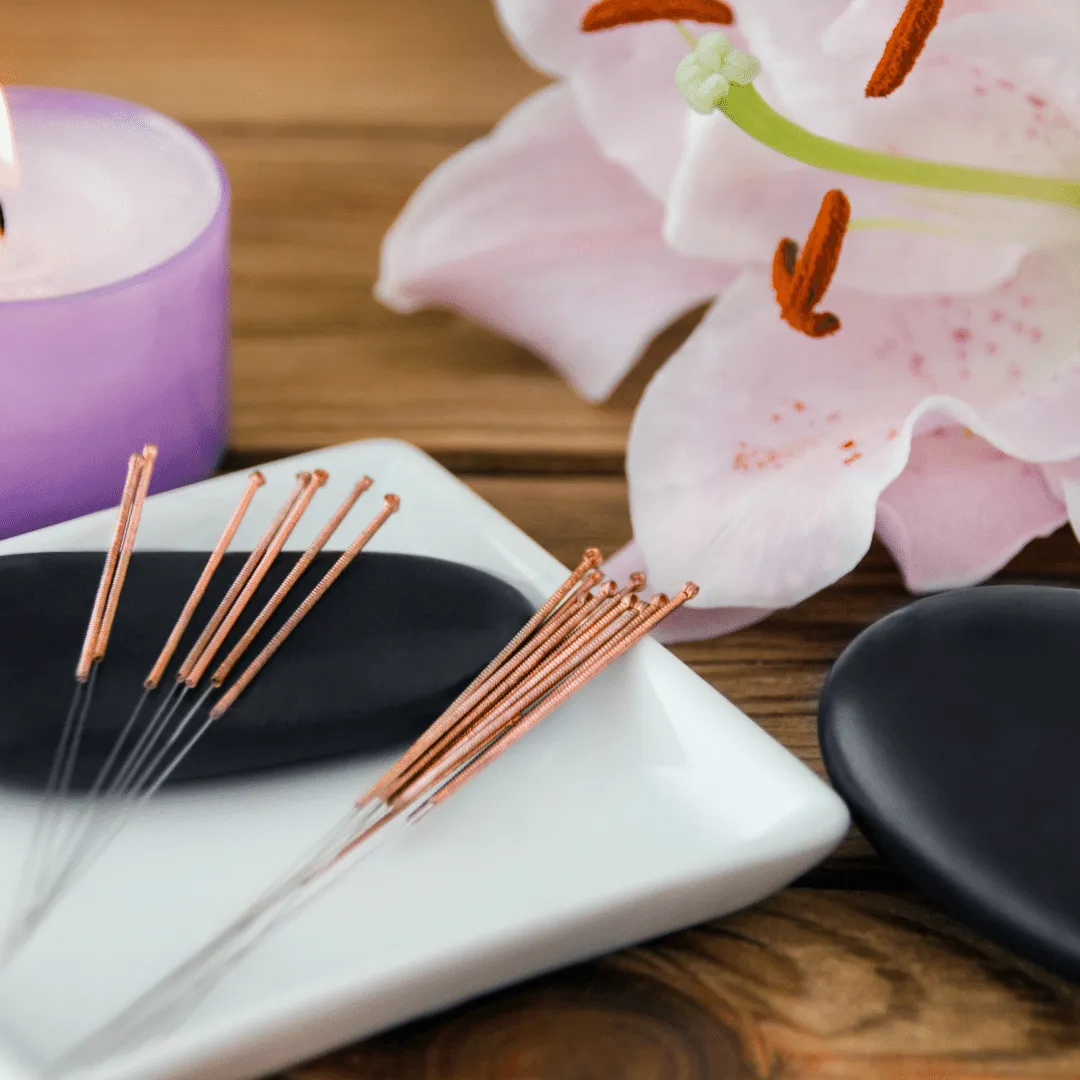
This broader lens also helps explain why modalities like acupuncture can be so valuable. Acupuncture offers a way to work with the mind-body connection through the body itself. It does not rely only on talking things through or analyzing what is wrong. It creates a space where the body can shift. For many people, that means feeling more settled, more aware, more relaxed, or more connected to themselves in a way they may not have realized they were missing. It can support regulation, ease tension, improve circulation, calm internal overactivity, and help the body move out of patterns that have become stuck or overheld.
That is part of why acupuncture can be such a meaningful modality for people exploring the connection between emotional life and physical health. It gives the body a chance to participate in the healing process directly. Sometimes people understand themselves intellectually, but their bodies still feel braced, exhausted, or dysregulated. Acupuncture can help close that gap. It gives us another way to access regulation, not just through thought, but through embodied experience.
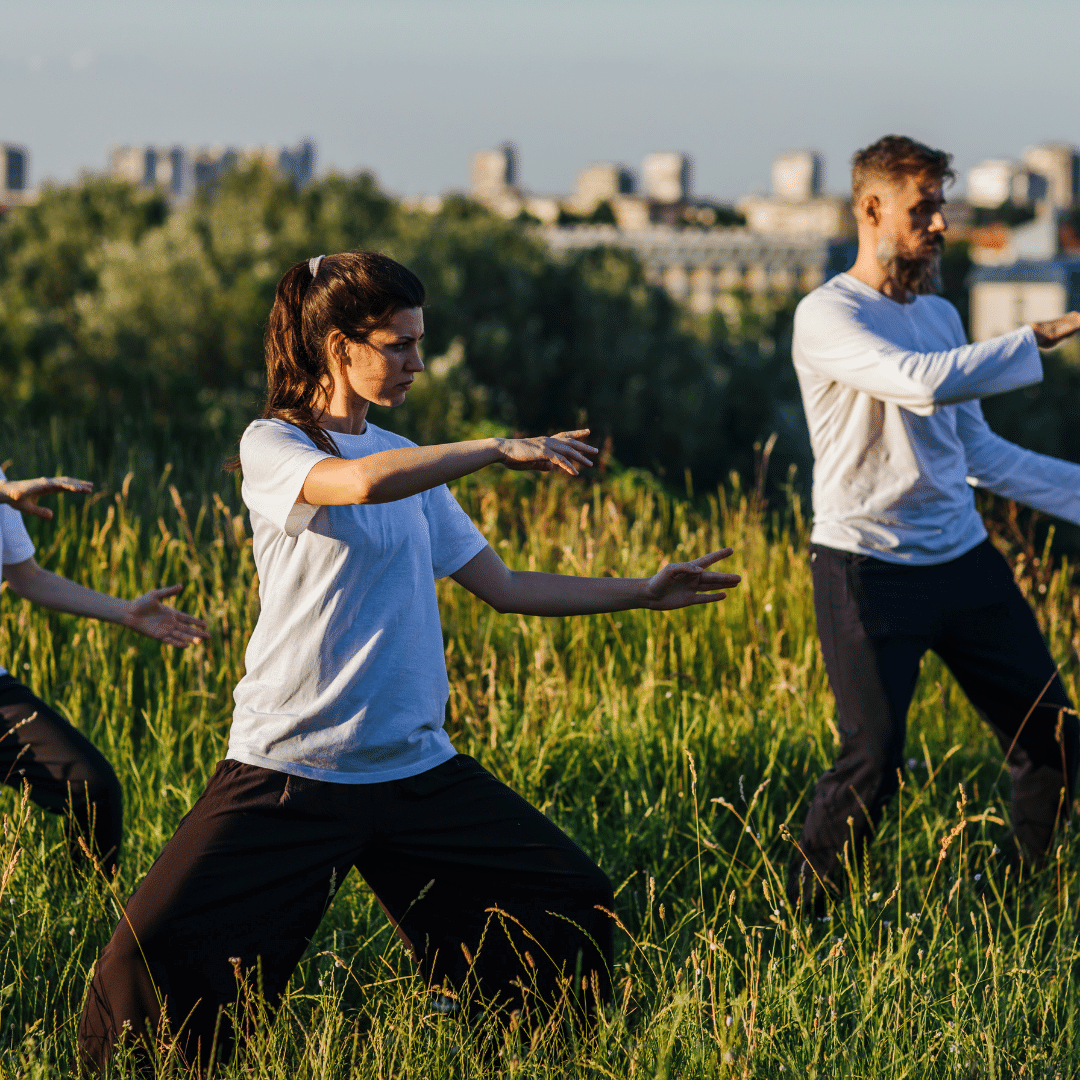
From a Traditional Chinese Medicine perspective, this makes sense. TCM has never viewed health as purely mechanical. It looks at function, flow, rhythm, relationship, and internal balance. It recognizes that what affects us is not only material, but also energetic. Food has energetic properties. Breath and movement influence internal state. Practices like Qi Gong are not just exercise. They are a way of working with attention, breath, posture, and energy to influence how the body feels and functions from within.
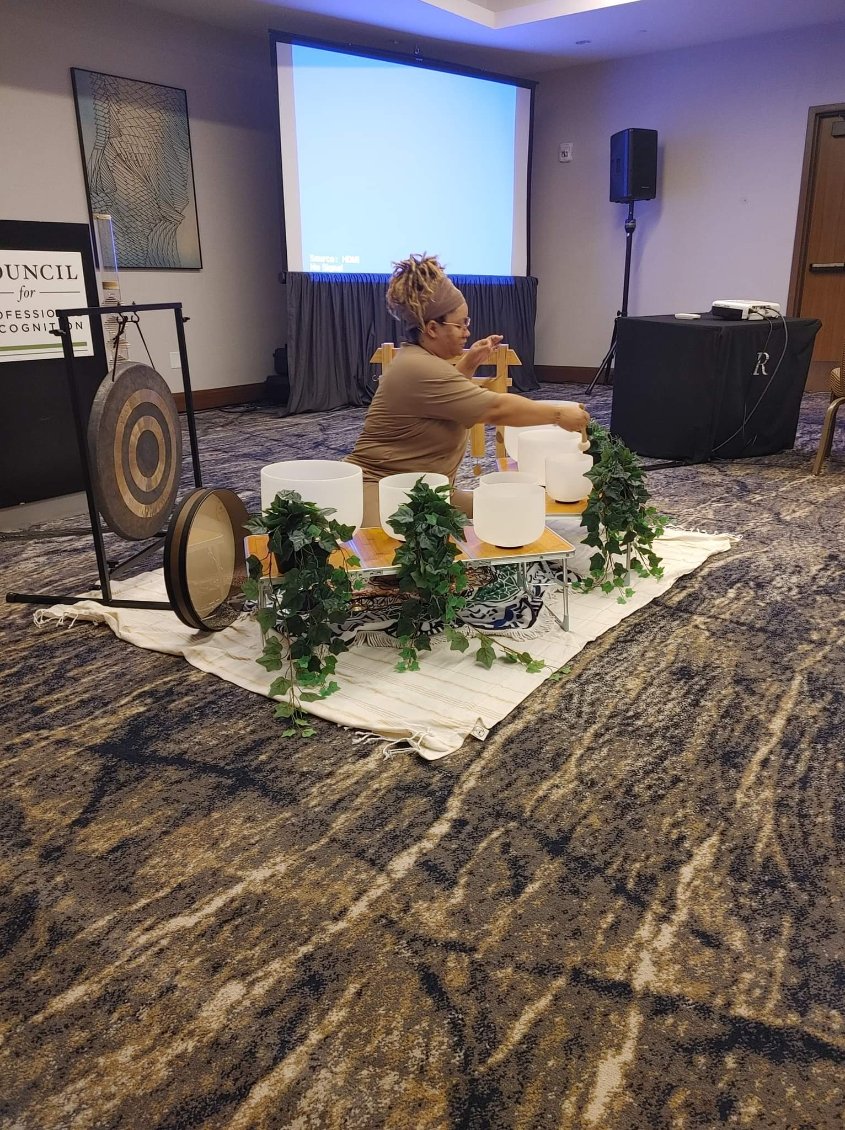
This is also where therapies like Reiki, tuning forks, and singing bowls may have value for some people. These approaches are often dismissed because they are subtle, but subtle does not mean meaningless. For the right person, they can support stillness, awareness, regulation, and a deeper sense of internal connection. They may help someone slow down enough to feel what has been held, ignored, or overridden. They may not be the first or only intervention needed in every case, but they can be impactful when used thoughtfully and in the right context.
The larger point is that healing is not only about changing the body from the outside in. It is also about working with what is happening inside the system. External inputs matter, but endogenous influences matter too. The internal climate of the body matters. How safe a person feels in their body matters. How they process life matters. How they hold stress matters. These are not secondary issues. They are part of health.
When we begin to understand that, the conversation around healing becomes more complete. It makes room for physiology, but it also makes room for lived experience. It makes room for structure and chemistry, but also for regulation, awareness, and energy. It helps explain why so many people need more than symptom management. They need support that helps the body shift, not just endure.
That is why the mind-body connection matters. Not because it replaces physical medicine, but because it helps us understand health more fully. And when health is understood more fully, healing can become more thoughtful, more personalized, and more whole.
